 Air Cmde T.K.
Chatterjee (retd)
Air Cmde T.K.
Chatterjee (retd)
Historically, many wars around the world have been
ended through third-party efforts. For example, during the Korean War
(1950–1953), the ceasefire that ended active fighting was mediated by
third-party nations and the United Nations (UN). India played an important role
by proposing an armistice plan, which the UN and opposing forces eventually
accepted. This led to the signing of the Korean Armistice Agreement in July
1953, which established the Demilitarized Zone (DMZ) between North and South
Korea.
Similarly, during the Vietnam War (1955–1975),
various third-party actors, including Pope Paul VI and diplomats from France,
tried to mediate ceasefires and peace agreements. The most notable outcome was
the Paris Peace Accords of 1973, brokered through extensive diplomatic efforts,
resulting in a ceasefire signed by all parties.
More recently, Qatar has served as a third-party
mediator. Since 1999, Qatar has hosted and signed numerous peace agreements,
especially related to Sudan and the Darfur conflict. Its role has included
leading multilateral negotiations and hosting conferences that resulted in
agreements such as the 2020 Juba Agreement for Sudan.
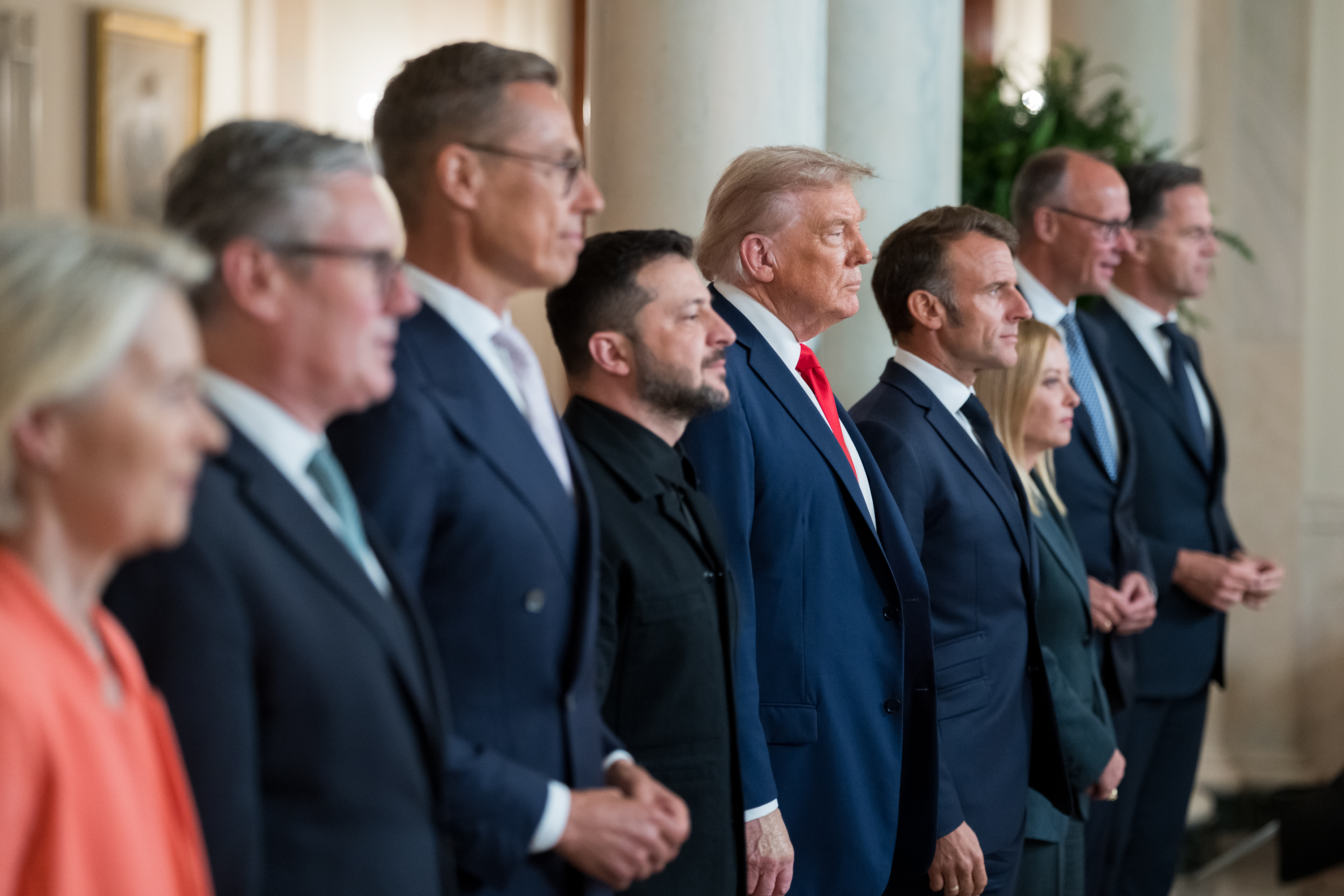
The course of the Ukraine war is heading down the
third-party mediation path. The US mediation in the Ukraine war is leaving more
questions than answers. The foremost of them is whether the current political dispensation
of the US is trying to end the war in the interest of peace and global stability,
or is it the personal goal of the President of the United States (POTUS) to be
seen as the peacemaker, which can take him a step closer to the Nobel Peace Prize?
Indications are that it is more of the second, since the first meeting in
Alaska took place without achieving anything, except, of course, President Vladimir
Putin validating the authenticity of Donald Trump’s claim to the coveted award.
Be that as it may, it must be agreed that more has happened in a few weeks than
in the last three years of the war. Nobody will grudge President Trump a Nobel
if he indeed pulls off a peace deal, not just a ceasefire.




 VIDEO
VIDEO