Future wars will depend more on quick integration and reorganisation than just adoption of new technology
Iftikhar Gilani
The next war may not begin with armoured columns rolling across a border or fighter aircraft announcing themselves on radar. It may begin with a swarm of cheap drones, a loitering munition waiting silently over a target, a cyberattack on command networks, an underwater vehicle approaching a harbour, or an artificial intelligence-enabled system compressing the time between detection and destruction.
That was the larger message running through SAHA 2026 in Istanbul. The exhibition was formally a showcase of Türkiye’s defence industry, but its real significance lay elsewhere. It offered a glimpse of the battlefield now emerging from the lessons of the Russia-Ukraine war, the recent US-Iran confrontation, and the 2025 India-Pakistan conflict.
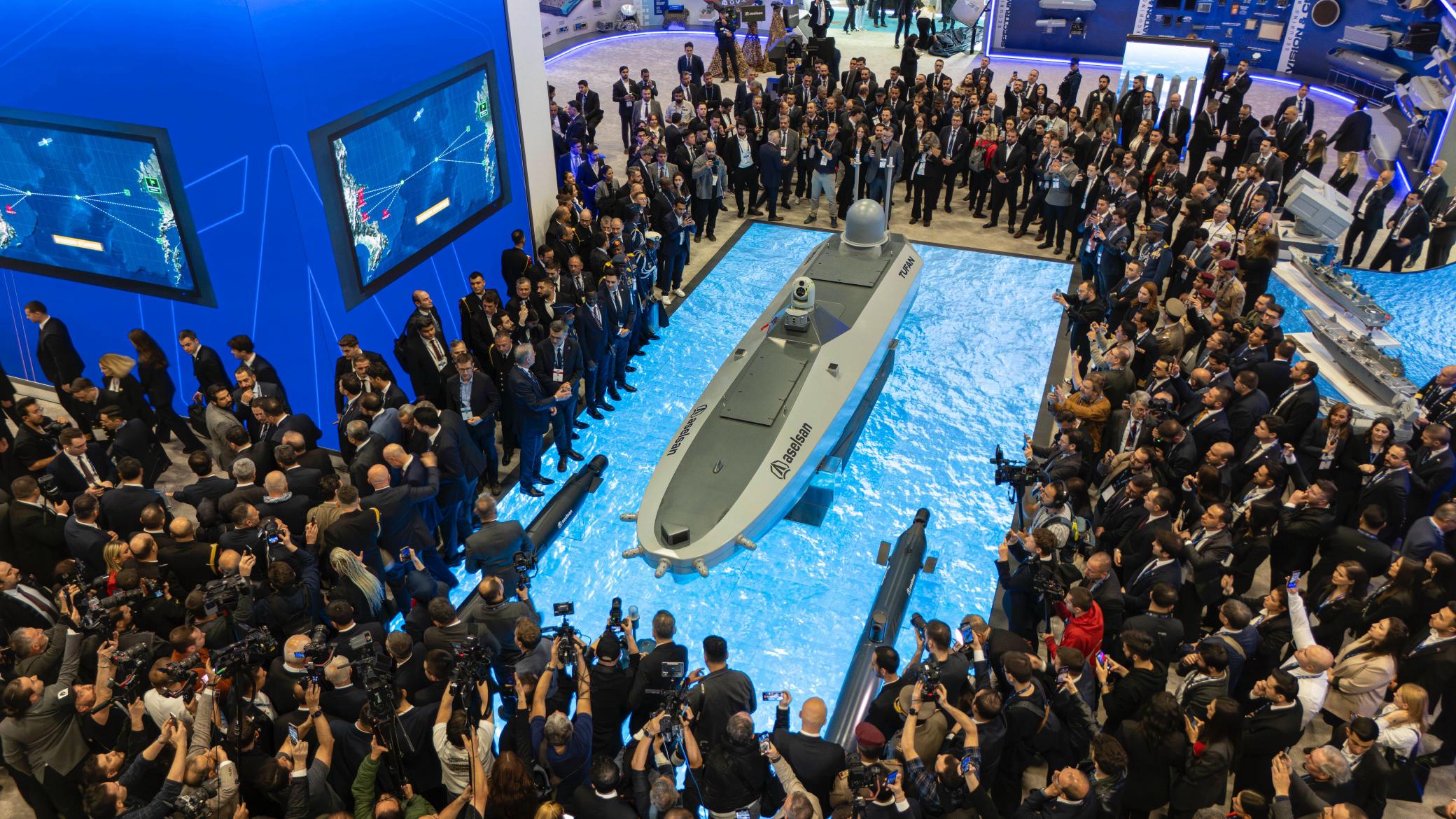
For an Indian defence audience, the fair was important not because Türkiye displayed more than 200 new systems. But because those systems answered questions now confronting every serious military planner: how to fight in a jammed environment, how to defend against mass drones, how to strike at long range without exhausting expensive missiles, and how to keep humans in command while machines accelerate the tempo of war.

Held from May 5-9 at the Istanbul Expo Centre, SAHA 2026 brought together more than 1,700 companies from over 120 countries. Turkish officials said 182 agreements and memorandums of understanding were signed, generating nearly USD8 billion in business volume, including about USD6 billion in export-oriented deals. The exhibition also featured 164 signing ceremonies, more than 200 newly unveiled technologies, and 203 product launches across air, land, naval, cyber, and autonomous warfare sectors.
The scene inside the exhibition halls had the atmosphere of a marketplace shaped by war. Military officers, engineers, diplomats, procurement officials, and company executives moved between drone stands, missile displays, electronic warfare platforms, unmanned naval systems, and laser-based air defence solutions. Conversations repeatedly returned to Ukraine, Iran, the Strait of Hormuz, the Red Sea, and South Asia. The emphasis was not on heavy platforms alone, but on networks, autonomy, survivability, and cost.
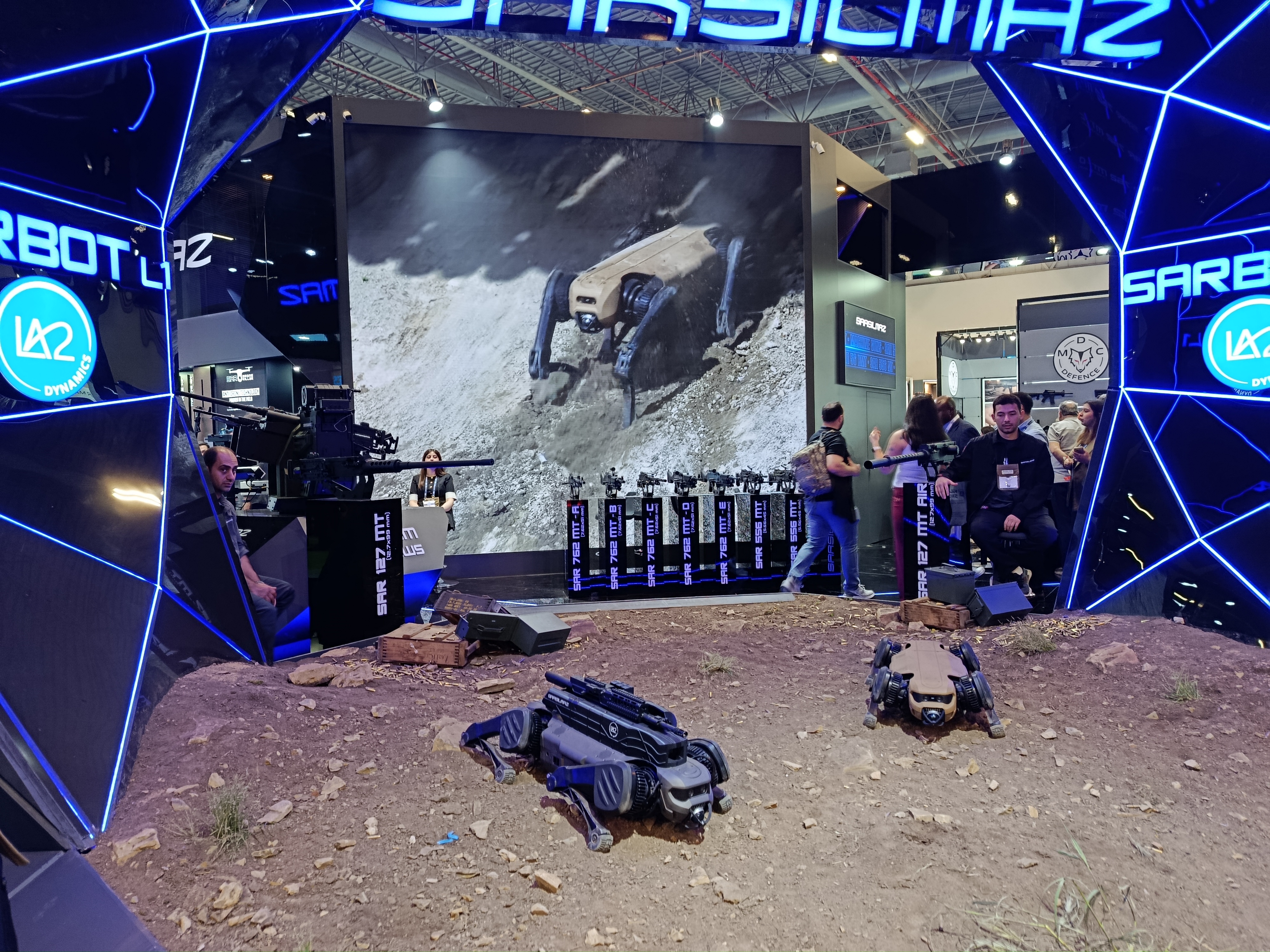
Turkish defence minister Yaşar Güler directly connected the exhibition to this changing global security environment, warning that modern wars were reshaping doctrines and deterrence structures. “Modern wars are fundamentally reshaping military doctrines and global deterrence structures,” he said.








 VIDEO
VIDEO