Autonomous military systems are increasingly becoming the order of the day for armed forces around the world. Having been around for many decades, the Unmanned Ground Vehicles (UGVs) have been used as early as World War I, and they are going to be crucial for future battlefields.
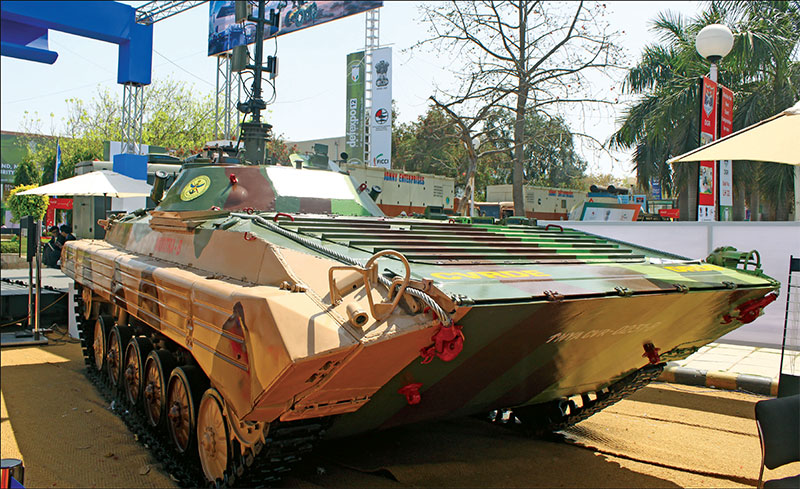
DRDO-developed Muntra UGV
Autonomous vehicles can undertake numerous combat roles, including combat support in battlefields, disarming explosives, fire support, search and rescue, reconnaissance, logistics support, etc. These systems offer unparalleled advantages on the battlefield compared to a human solider, and therefore, the research and development in autonomous vehicles has been tremendous in recent years. We are now in an era where the possibility of wars being fought through fully autonomous systems is becoming a reality. The role of human soldiers with such developments, many fear, may become obsolete. And with advances in Artificial Intelligence, the unmanned vehicles may leave little room for human intervention to carry out missions in the future.
Given that India is confronted with multiple counter-insurgency theatres, urban – as well as jungle – warfare situations for varied tasks, the use of UGVs assumes significance. They assist in surveillance and reconnaissance operations and safe handling and disposal of improvised explosive devices (IEDs), besides being involved in combat roles. The Defence Research and Development Organisation (DRDO) has been at the forefront of UGV development in India. Its arm, Combat Vehicles Research and Development Establishment (VRDE), has over the years developed many such vehicles for the armed forces.








 VIDEO
VIDEO