Perhaps one of the reasons the Indian homeland continues to remain vulnerable is because the government of India is unable to put sustained focus on issues that threaten the social and economic fabric of the nation. Politics, opportunism and prejudice frequently get in the way conveying a skewed sense of internal security challenges to the law-makers, bureaucracy and citizenry.
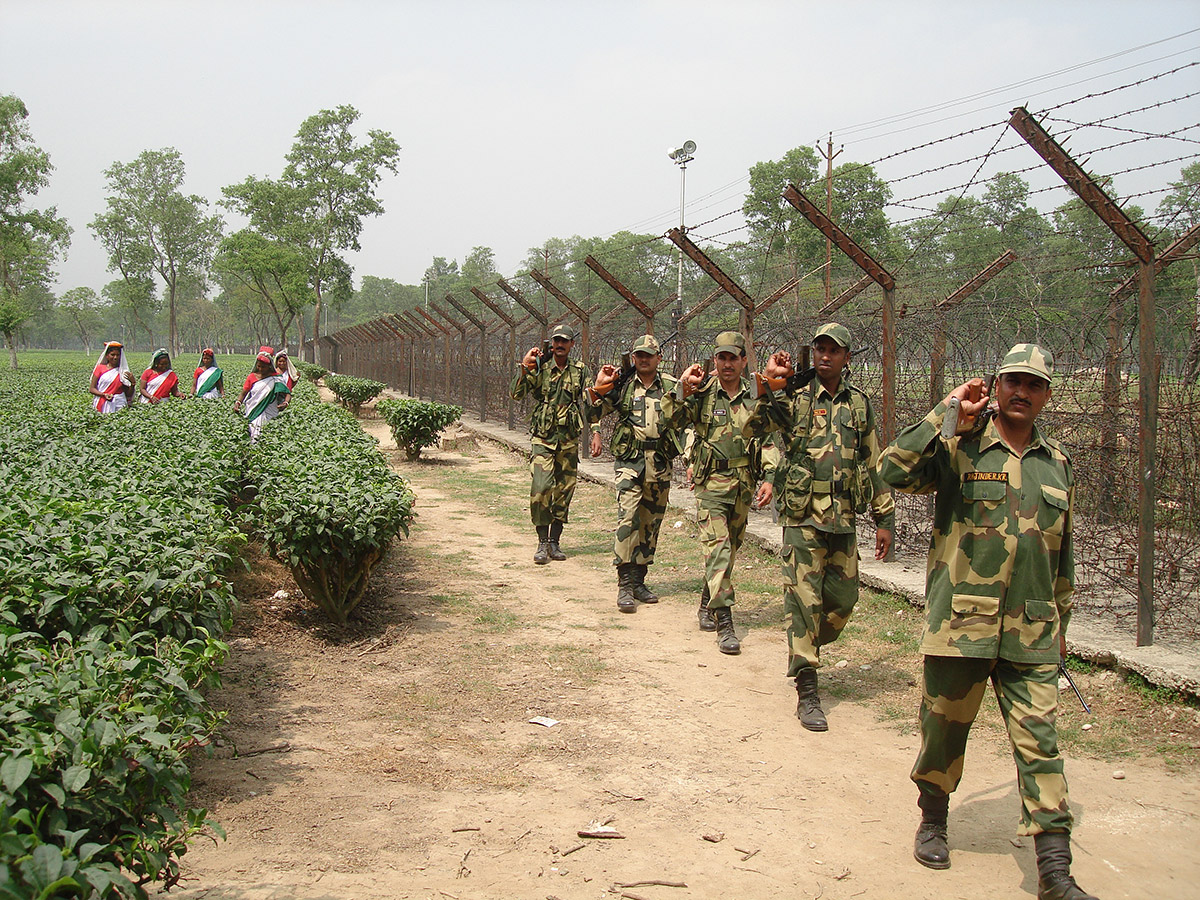
If one were to base one’s understanding of internal security challenges solely on the official pronouncements, then in September it appeared that the biggest threat to India’s internal security apparatus came from the fleeing hordes of Rohingya men, women and children flailing against Indian fence (on the border with Bangladesh) pleading to be let in. The border gates remained closed so that Indians could go about their everyday life peaceful in the knowledge that they are safe from threats.
It started with the affidavit that the government of India submitted to the Supreme Court in September listing Rohingya (native of the Rakhine province of Myanmar) refugees in India as a threat to national security (apparently they were being radicalised by Pakistan-based terrorist groups), hence the urgency of deporting them.
On cue, one minister after the other spoke against the hapless group of people who nobody seems to want. Yet, neither any incident nor statistics were offered to support the government assessment of Rohingya refugees being a threat. To get around the small technicality of the international principle of non-refoulement (not sending back refugees to a place where they face danger), the government of India started to refer to the Rohingya refugees as economic migrants, never mind that 16,500 of them are registered with the United Nations Humanitarian Commission for Refugees (UNHCR) in India and hold UNHCR issued ID cards and supporting documents to prevent their ‘arbitrary arrest, detention and deportation,’ according to the email response FORCE got from the UNHCR’s office in Delhi.
The government argued that since India is not a signatory to the Refugee Convention, it is under no obligation to host Rohingyas if it does not wish to. To add to the general cacophony, co-opted media persons deliberately glossed over the distinction between refugees and migrants (illegal or otherwise) and started asserting that India is already burdened by millions of refugees who are not only living off Indian tax-payers but are also changing the demographics. To reinforce this argument, Supreme Court’s observation earlier this year on Bangladeshi immigrants in Assam changing the demographic profile of certain Assamese districts and threatening others, was quoted selectively, further creating a perception that Bangladeshi immigrants were akin to Rohingya refugees.
Ironically, even as the pitch against the Rohingya refugees was queered in the name of national security, the government of India did not officially communicate to UNHCR that the Rohingyas were no longer welcome in India and the government would deport them. Perhaps, this is the reason that no attempts have been made to deport them so far. On the contrary, the government has extended material support to those living in refugee camps inside Bangladesh. By implication, so long as they remain on the other side of the fence we would be safe. If fence was security, the Kashmir issue would have resolved itself in 2003 when the fence was erected on the Line of Control (LC).








 VIDEO
VIDEO