India needs to develop tools to understand why China may go to war with it. An extract
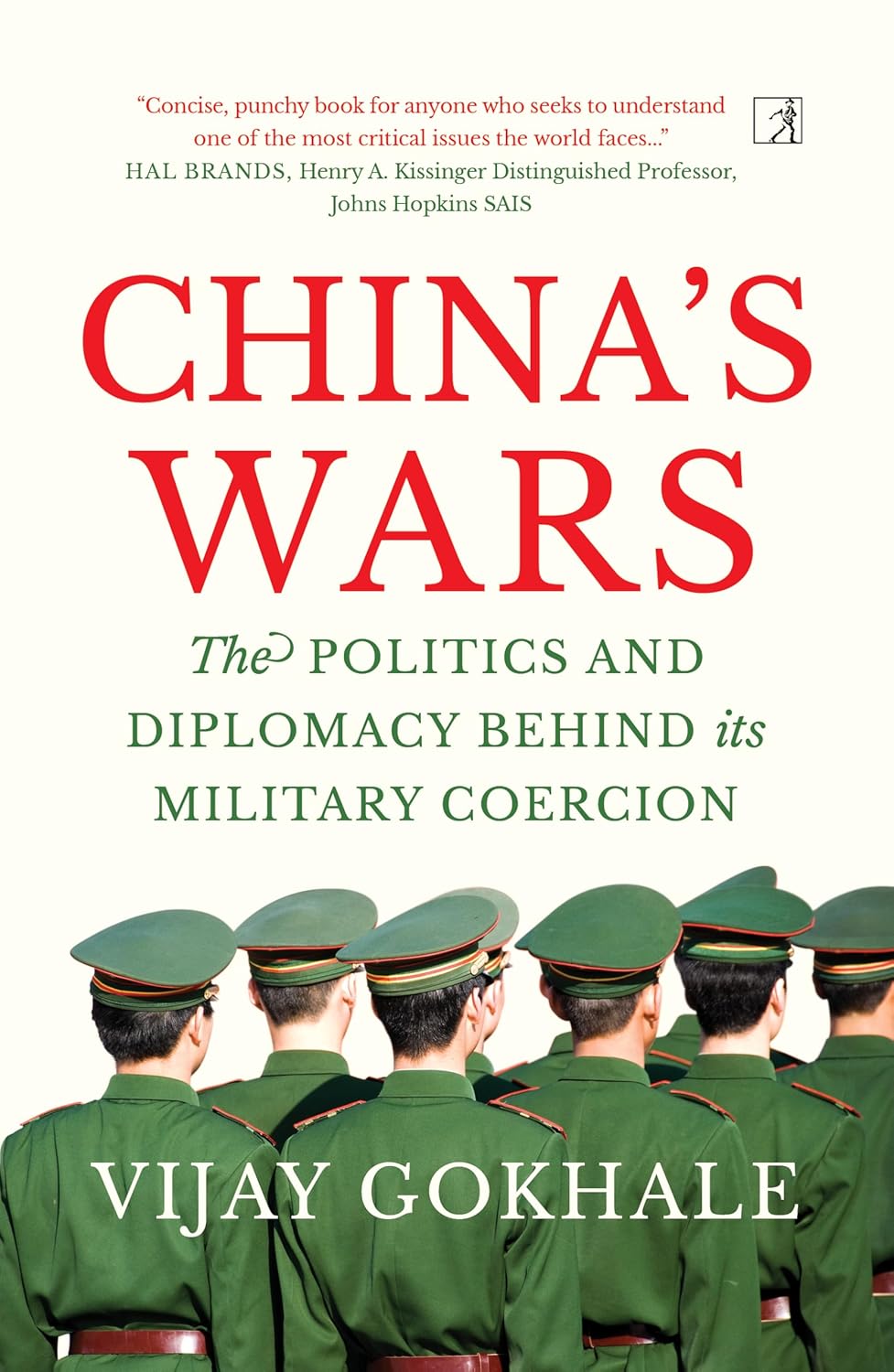 Vijay Gokhale
Under what circumstances, might the PRC, initiate a large-scale conflict with India? To answer this question, it is necessary to look at what China’s India policy is intended to achieve. In the initial years after the founding of the PRC, it wished to befriend India in order to minimize the possibility of any threat to Tibet from the south-west or the possibility of being a second front in a conflict with the US and its allies in the Pacific. By the late 1950s, however, China had abandoned such efforts to befriend India for a variety of reasons. Its policy towards India was to neutralize what the PRC perceived was the pro-Western tilt. If India could not be friendly towards China, it should not be allowed to become so friendly with the US as to endanger China’s national security. Steering India towards keeping a neutral stance in superpower competition so that it did not take sides with other major powers against Chinese interests became the overriding political objective of the PRC’s India policy. This remains so even now. Whenever, therefore, the PRC has felt that India might be straying from this preferred position of neutrality in superpower geopolitics, it has tended to use coercion for the purpose of righting the tilt.
Hence, the most likely scenario in which the PRC could initiate a large-scale conflict with India is one in which they think the latter threatens its core national security concerns in concert or conjunction with its primary adversaries. In its White Paper on national security published in May 2025, its core national security concerns are described as the survival and continuance of the Communist Party of China in power for the very long-term (political security), and the prevention of attempts by Western ‘anti-China forces’ led by the US to ‘block, suppress and contain’ China through infiltration and sabotage. These are the two most important red lines for the foreseeable future. If India were seen to aid and abet ‘western forces’ (read the US) to ‘increase their efforts to interfere in China’s peripheral affairs, posing a threat to China’s border and peripheral security,’ or were India to be seen joining the West in subverting the Chinese Communist Party’s grip on power, the PRC’s threat perception about India could sharply escalate. Given India’s territorial proximity to the PRC, it would then be regarded in Beijing as an adjunct threat to China’s security, and it might be tempted to resort to coercion to force the Indian state back into a neutral posture. In crafting India’s national security policy, therefore, it is necessary to continually monitor how Beijing views India’s relationships with Washington and Moscow within the contest of its own relationships with the two powers.





 VIDEO
VIDEO