It is commonly thought that regular troops of the army with their superior numbers, better training and equipment would be more than a match for the best of insurgents. But experience shows it does not quite work like that for the simple reason that the insurgents, operating from a position of want and scarcity of resources, resort to ingenious methods to carry out their activities. Regular soldiers, on the other hand, appear ponderous and slow moving, thus playing into the strengths of the insurgents.
It is only after much experience and trial and error that regular troops become adept at counter-insurgency warfare. But they need rotation. New troops take the place of the old ones, and they make the same mistakes. This cycle continues. It is one thing to recognise the problem and yet another to adapt to it. The Indian Army has ample experience in counter-insurgency warfare and yet we do not seem to progress. Occasionally, there is a glimpse of a resolution, but it is often dashed because of factors over which soldiers have no control, such as a lack of political initiative and reluctance of the civil administration to resume normal activity because of a perceived lack of security. Despite this seemingly gloomy picture, it is possible and indeed desirable to glean some lessons from past experience and see if they can help future practitioners of counter-insurgency warfare.
Counter-Insurgency Aim
The first problem that the troops face in the field is that the tactical aim is not laid down clearly and is often ambiguous. What should be the aim? Simply put, it is to restore normalcy so that the common people can go about their daily lives without let or hindrance. The insurgents want to seize control and run their own administration. This is the cause for battling the insurgents.
It is a fallacy to think that an insurgent movement can be defeated much as a conventional army can be. Insurgency, depending on the stage it is in, has to be degraded to lower levels step by step. From guerrilla warfare to terrorism, or terrorism to a law-and-order situation, so that the civil administration can respond.
These phases are not clear cut nor easy to discern and an insurgency may be at different levels in different districts or sectors. We have so far seen the policy, organisation and intelligence requirements to conduct a successful counter-insurgency warfare. But making these work requires active understanding and participation by the soldiers and their junior leaders for it is on their actions that the success of such operations depend.
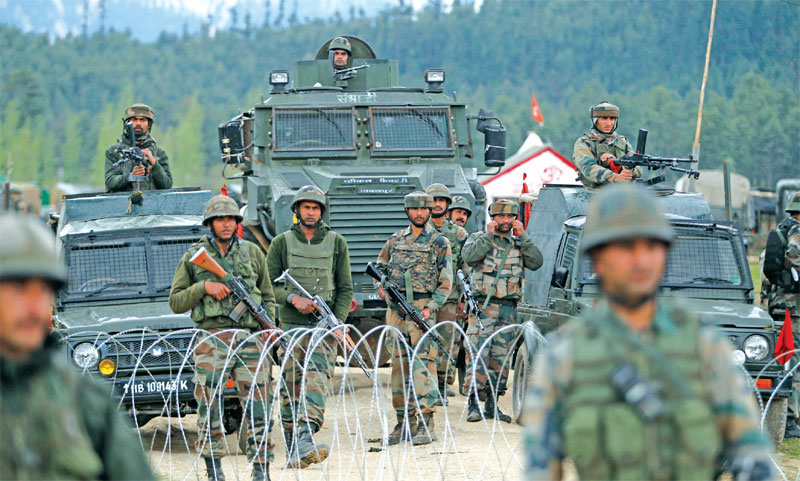
Go The Extra Mile
Tactical Organisation
The primary task of any formation or unit commander inducted into an insurgency-affected area is to ensure that he has control over the situation as it develops and for that he has to tactically organise his operational area or sector. Given that insurgencies have been going on for many years in the northeast and Jammu and Kashmir, usually an incoming commander or a unit will be handed over operational responsibility from those leaving.








 VIDEO
VIDEO