

The Credential Gatekeepers
China’s new influencer rules are rewiring digital authority
Antara Jha
The new rules, enforced by the Cyberspace Administration of China (CAC), fundamentally challenge the notion of the ‘self-made expert’ prevalent in the influencer economy. For centuries, expertise has been validated through institutional credentials, universities, professional bodies, and government licenses. The internet, however, allowed charisma, production value, and relatability to often supplant formal training. China’s mandate seeks to reintegrate the rigour of the physical world's credentialing into the digital domain.
The Digital Crossroads
The internet promised democratisation of knowledge, a world where anyone with passion and insight could share their expertise with millions. Yet somewhere between that utopian vision and today’s reality, the landscape shifted dramatically. Social media platforms transformed ordinary individuals into powerful voices capable of shaping public opinion, consumer behaviour, and even health decisions. The influencer economy, now valued at billions of dollars globally, has created a new class of digital authorities whose reach often exceeds that of traditional experts and institutions.
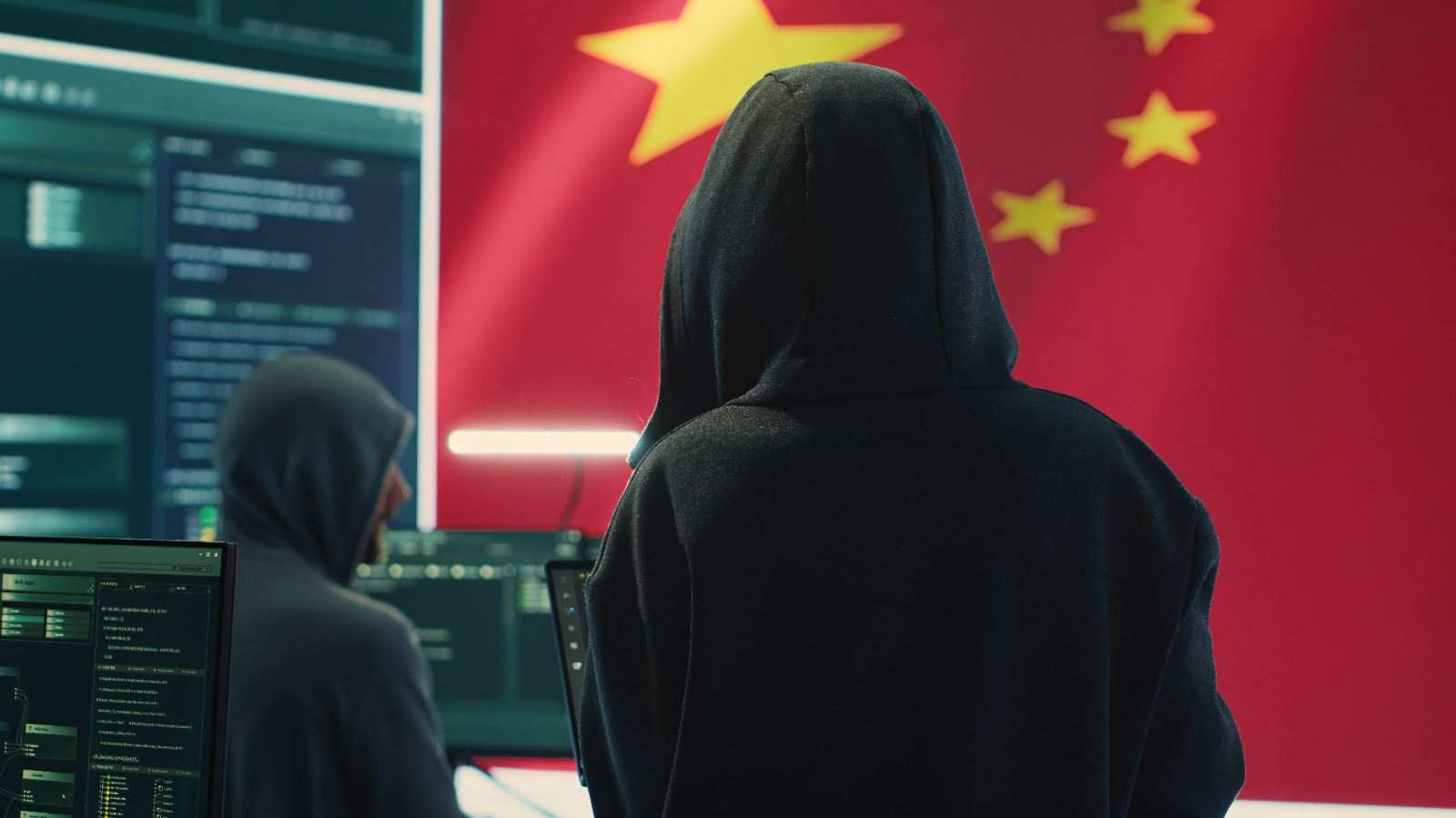
China has now taken a definitive stance on this evolving phenomenon. On October 25, the Cyberspace Administration of China implemented comprehensive regulations that fundamentally alter the relationship between digital influence and professional accountability. The new framework mandates that social media content creators must possess verified credentials before discussing specialised subjects, including medicine, law, finance, education, and health. This represents one of the most significant interventions into the influencer economy by any major nation, establishing a precedent that reverberates far beyond China’s digital borders.
A New Digital Turn in the World’s Largest Online Ecosystem: China has initiated one of the most consequential transformations in the global influencer landscape by formalising strict credential-verification laws for content creators handling specialised subjects. The Cyberspace Administration of China, the country’s principal internet regulator, has introduced a regulatory architecture that places verified expertise at the core of digital influence. This move has stirred global discussions not merely because of its immediate impact in China, but because it arrives at a time when every nation is confronting the growing challenge of misinformation, half-information, digitally glamourised narratives, unqualified ‘experts,’ and artificially generated knowledge that mimics authenticity.
China’s new regulations requiring influencers to hold formal qualifications before commenting on law, medicine, finance, education, health, and scientific content signal a decisive shift. They formalise digital professionalism, demand platform-driven verification, and impose penalties for misleading, unverified, or falsely represented content. These rules also introduce a compulsory requirement to label AI-generated content, academic citations, and research-based explanations with transparency.
At the heart of these rules lies a message: digital influence carries real-world consequences, and expertise must match the authority one assumes before speaking to millions.
The Architecture of China’s Credential Verification Regime: The regulatory framework introduced by CAC establishes a sophisticated system of verification and enforcement that transforms how professional knowledge is disseminated online. At its core, the regulation requires influencers to present official qualifications such as degrees, professional licenses, or recognised certifications before publishing content in regulated domains. This credential verification process mirrors traditional professional licensing systems but adapts them for the unique challenges of the digital environment.
Major Chinese platforms including Douyin, the domestic version of TikTok, Weibo, China’s microblogging giant, and Bilibili, the popular video-sharing service, now bear direct responsibility for implementing these verification systems. The platforms must establish robust mechanisms to authenticate credentials, monitor content for compliance, and remove material from unverified sources. This shift places significant operational and legal obligations on platform operators, transforming them from passive hosts into active gatekeepers of professional discourse.
The regulations extend beyond mere credential verification to encompass content transparency and authenticity standards. Creators must explicitly label artificial intelligence-generated content, ensuring audiences understand when they are viewing synthetic rather than human-created material. When referencing scientific studies, research findings, or statistical data, influencers must provide proper citations and acknowledgments. The framework also prohibits covert advertising for medical products, dietary supplements, and health foods, addressing the persistent problem of promotional content disguised as educational or informational material.
Subscribe To Force
Fuel Fearless Journalism with Your Yearly Subscription
SUBSCRIBE NOW
We don’t tell you how to do your job…
But we put the environment in which you do your job in perspective, so that when you step out you do so with the complete picture.




 VIDEO
VIDEO