Investments in expanded space architecture is the way ahead for future conflicts
 Air Cmde T.K. Chatterjee (retd)
No one announced that the war had started.
The first indication came in the form of a routine anomaly report: intermittent loss of satellite imagery over a maritime choke point. Analysts blamed sensor glare, then software updates, then solar interference. Navigation signals drifted just enough to be noticeable, but not enough to trigger alarms. Pilots compensated, operators adjusted.
Only later did the pattern emerge. Satellites manoeuvred unexpectedly. Communication links flickered. Data arrived late, incomplete, or not at all. Commanders issued orders without confidence in the picture they were seeing.
When satellites began failing completely—no explosion, no flash—they were attributed to cascading system failures. The constellation remained in orbit, but it was no longer coherent. The force was going blind.
Days later came the symbolic kinetic strike: one interceptor, one target. Debris spread silently, creating an invisible shrapnel field that would outlast the conflict. Space was no longer merely contested; it was damaged.
On Earth, the war felt strangely old-fashioned. Precision strikes missed. Communications lagged. Decisions slowed. Autonomy replaced coordination; uncertainty replaced confidence. The most advanced military systems in history were constrained by something as simple as not knowing.
The war did not end in orbit, but it was decided there.
For India, this is not science fiction. It is an emerging operational reality that will shape every major contingency, from the Himalayas to the Indian Ocean Region (IOR).
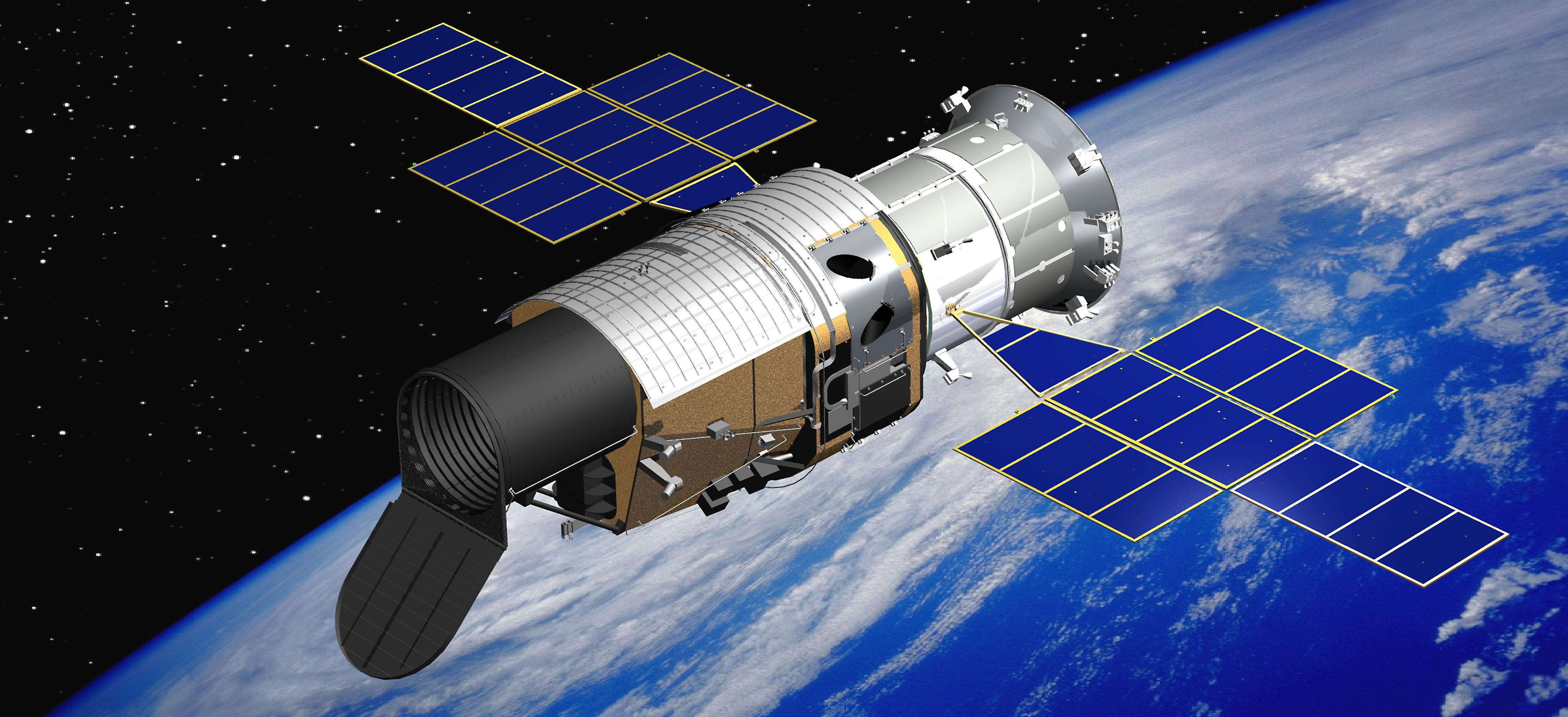
TIMELY INTELLIGENCE Chinese satellites have been providing real time visibility to the Iranian armed forces
Increasing Dependence on Space-Based Assets
Modern military forces now depend critically on space-based infrastructure for intelligence collection, communications, navigation, targeting, and missile warning. Space is no longer a supporting domain but a central enabler of terrestrial warfare. As of early 2026, approximately 15,000 active satellites orbit Earth, with commercial mega-constellations such as Starlink accounting for nearly two-thirds of that number.
This dependence has transformed conflict. GPS-guided munitions now enable the majority of precision strikes in recent operations. Real-time satellite imagery and secure communications allow commanders to coordinate across vast distances with unprecedented speed. The Russia-Ukraine conflict offered a live demonstration: Russian forces jammed GPS signals and attempted electronic disruptions against Starlink terminals, yet the proliferated constellation adapted through software updates, supporting Ukrainian drone strikes, artillery coordination, and battlefield internet access.
In future conflicts between space-capable nations, operations are therefore likely to begin with deliberate efforts to disrupt or degrade an adversary’s space systems—often before major kinetic action occurs on land, at sea, or in the air. For India, whose forces increasingly rely on GPS/NavIC, dedicated intelligence, surveillance and reconnaissance (ISR) satellites, and commercial imagery, this trend demands urgent attention in doctrine shift and capability development.








 VIDEO
VIDEO