Troubles in the India-Bangladesh-Myanmar trijunction need sensitive handling
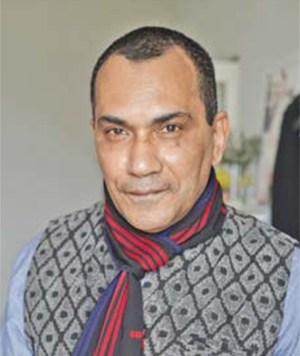 Sudeep Chakravarti
A part
of Bangladesh’s southern Chittagong Hill Tracts, or CHT, lit up with anger on
September 23, when news broke of the gangrape of a schoolgirl of the Indigenous
Marma tribe. It was an eerie replay of violence of similar kind in this
sensitive tri-junction where India, Bangladesh and Myanmar share borders, ethnic
overlap—and histories of hugely disproportionate state response in the name of
security.
Security
forces were quick to blame tribal organisations for instigating protests that
turned violent. Four civilians have since been killed by Bangladesh security
forces who in turn claimed that both army and police personnel were injured.
Curfew was enforced, tourism stopped, and visitors denied access to the area.
It
did not prevent gory images of civilian deaths and injuries, burning homes, and
violent conflict from reaching elsewhere in Bangladesh, the region, and the
world. Media, both regular and ‘social’ overrode government and security blackouts,
communiques, and platitudes.
CHT
is to Bangladesh—and earlier, to Pakistan—what northeastern India was for the
longest time to India: a place of inconvenient truths, and inconvenient
identities and aspirations of people against which nationalistic and
majoritarian government narratives severely pushed back. Successive governments
in Bangladesh have practiced or overlooked the vilest ‘othering’ in CHT in the
name of national interest.
Indigenous-versus-settler
blowouts have taken place with regularity over the years. It happened more
recently in September 2024; and it happened earlier that year in April, after a
series of spectacular bank robberies by suspected rebels of the Kuki National
Front, or KNF, in the Bandarban area of CHT. The response included a massive
clampdown by security forces and ready application of a provision of the penal
code—an inheritance of a 19th century British system and widely misused across
the subcontinent since 1947—that permits cases against unnamed persons. This
clubbing together of several dozen unnamed suspects, even several hundred in
some instances, facilitate the arrest of anyone by law keepers for their search
of quick-fix liability, not lasting solutions.






 VIDEO
VIDEO