For any navy, propulsion systems of its vessels are perhaps the most vital aspect. From diesel, gas and electric engines to the most advanced nuclear systems, propulsions systems are at the heart of all kind of sea-faring vessels, from the basic boat to the advanced surface and underwater vessels.
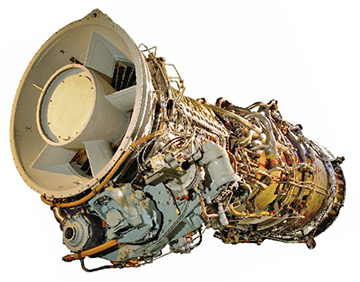
LM2500 gas turbine
Any propulsion system is basically the engine system, which generates the energy drives, say your car, engine, gear-box and shaft. But for aircraft or naval vessels, the fourth element is the propellers to make the craft move through the air or water. Modern naval propulsion systems can be categorised as diesel, gas turbine, electrical or nuclear. The propulsion systems for the navy can differ from its missile boats, corvettes, frigates, destroyers, aircraft carriers, or of course, the submarines.
The vast range vessels of the Indian naval fleet use different propulsion systems, such as steam turbine, diesel, electrical and nuclear. While the nuclear reactor systems are mainly envisioned for advanced strategic vessels of the future, the navy is endeavouring for a more sophisticated steam turbine, diesel and electrical systems. Electrical propulsion systems derive energy from the engine, and virtually run the ship, from moving it, to maintaining all other essential and critical systems, including AC systems, computers, guidance, sonar and fire control in combat vessels.
Most of the propulsion systems in Indian Navy are imported. The effort to indigenise is a continuous endeavour, from the basic systems being supplied by defence PSUs like Bharat Heavy Electricals Limited (BHEL) and private players like Kirloskar and Tata Power. The ‘Make in India’ initiative has imbued a new urgency and dynamic into the effort, but the indigenisation is still in infancy. The Gas Turbine Research Establishment (GTRE) has developed a naval variant of its Kaveri engine which is now being tested and Vishakhapatnam.
This means that the Indian Navy will continue to be dependent on imported propulsion systems for some time to come. With the Indian Navy choosing a diversified sourcing, its ships are powered by a host of different propulsion systems. From the Ukrainian Zorya gas turbines to the French-German Pielstick diesels, the Indian Navy uses a variety of propulsion systems. We take a look at the major ones.








 VIDEO
VIDEO