In the digital age, memes have transcended their role as simple humorous images and text overlays. They have become potent instruments of influence, shaping opinions, normalising behaviours, and even radicalising individuals. What once started as harmless light-hearted internet humour has, over time, evolved into a sophisticated tool used by various entities to push ideological narratives, promote extremist views, and justify immoral actions. This article examines the psychological architecture behind meme culture, analysing how seemingly innocuous humour serves as a vehicle for introducing and normalising radical thoughts and actions.
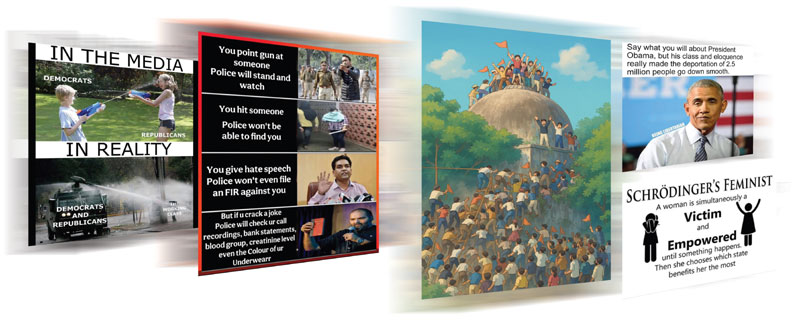
The power of memes lies in their accessibility, shareability, and the way they package complex ideas into digestible, emotionally resonant content. Their viral nature ensures widespread distribution, often bypassing traditional critical thinking processes through humour and relatability. This creates a perfect storm for ideological infiltration that operates beneath conscious awareness—a phenomenon with profound implications for society, digital citizenship, and individual psychological well-being.
Psychological Mechanisms
Humour serves as the perfect delivery system for ideological content precisely because it disarms our critical faculties. Memes operate on a psychological level by engaging cognitive biases and subconscious processing. When we laugh, our psychological defences lower, creating what researchers call the ‘persuasion knowledge gap’—a period during which we process information with less scrutiny. The brain is wired to absorb and retain information presented in a humorous format, making it easier to remember and accept over time. This phenomenon is known as the mere-exposure effect, where repeated exposure to an idea, even in jest, increases its acceptance. Psychologically, this occurs because humour activates reward centres in the brain, releasing dopamine and creating positive associations with the content being consumed.
Memes rely on the peripheral route of persuasion, which influences people without engaging their critical thinking faculties. Unlike direct propaganda, which often faces resistance, memes bypass scepticism by embedding controversial ideas within humour, sarcasm, and satire. This phenomenon becomes particularly potent when controversial or extreme ideas are packaged as jokes. The recipient can simultaneously absorb the ideological message while maintaining plausible deniability through the shield of ‘it’s just a joke.’ This creates cognitive dissonance where individuals may find themselves laughing at content that contradicts their stated values, gradually shifting their perception of what’s acceptable.
The Dark Side
The use of humour as a Trojan horse is not a new concept. Historically, satire and dark humour were tools used to challenge oppressive systems and question authority. However, in contemporary digital culture, humour is being weaponized to insult, defame, and dehumanise individuals and groups. What begins as a chuckle can erode moral boundaries, paving the way for acceptance of radical beliefs or actions.
Content creators and influencers, under the guise of ‘dark humour’ and ‘dank comedy’, are producing material that openly mocks personal beliefs, cultural identities, and even victims of heinous crimes. While humour was once intended to critique conventional thinking, today it is often used to normalise abusive behaviour and even justify extreme violence.








 VIDEO
VIDEO