

Letter from the Editor | September 2026
The unprecedented natural disaster triggered by the collapse of a hanging glacier on the 23,733 ft-high Langtang Lirung peak in north central Nepal (bordering Tibet) has dominated both the news cycle and well as mind space since August 26. And rightly so. The collapse of the glacier caused an enormous avalanche of mud, rocks and snow, which eventually coalesced into the Trishuli river forming a massive wall of water, as high as 30ft in its initial fury. Nearly 1,500 people have been confirmed dead, while almost 5,000 remain missing. In the coming days, the casualty figure is going to increase as rescuers access more affected places.
Immediately after the avalanche, there was speculation about whether the disaster was entirely natural or a consequence of human perfidy, in the form of some miliary experiment gone too far. Fingers wagged at China, given the location of the glacier and the presence of Nepal-China hydroelectric power project. The truth is that the calamitous flood caused by the glacial collapse is indeed not entirely nature’s doing. The trigger has been global warming which caused unnaturally high temperatures in the northern hemisphere, especially in the Himalayas. The Nepal tragedy is a sobering reminder that nature will retaliate whenever human excesses cross the line. For all the technologies available worldwide, natural disasters remain both unpredictable and unstoppable to a very large extent.
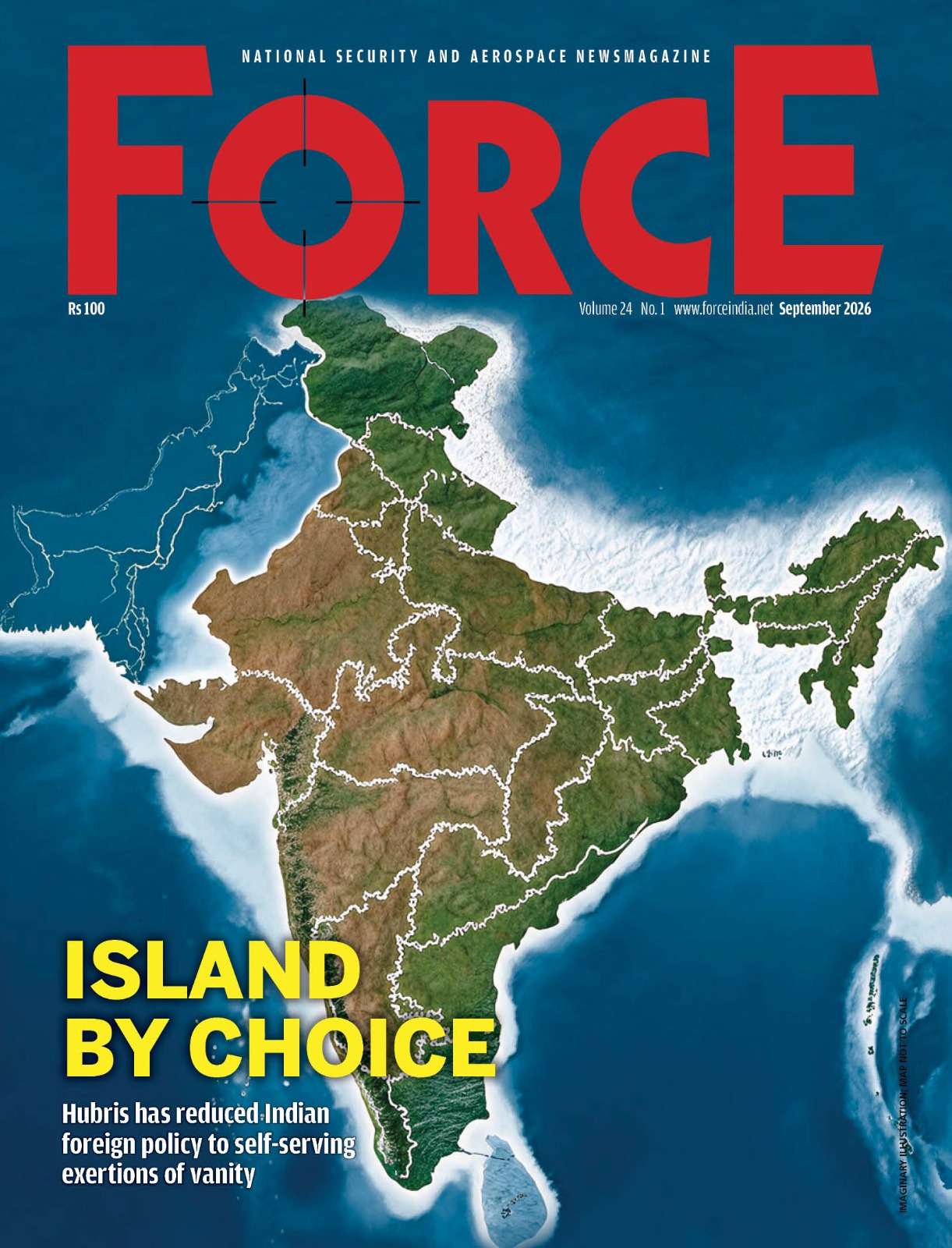
Coming to the September issue, the cover focus is India’s foreign policy which remains both adrift and on the wrong side of the history. Two events determined this focus. The SCO Summit in Bishkek, Kyrgyzstan on September 1 and the BRICS Summit in New Delhi on September 12-13. Given that both SCO and BRICS are building global institutions now, it clearly signals their growing confidence in the emergence of the new world order. Despite being a full member of the former and the founding member of the latter, India’s engagement with both these organisations is becoming increasingly half-hearted. Its unwillingness to fully commit to the vision shared by other members of these organisations is evident in the way it continues to defer to the diktats of the US, especially on Russia and Iran; and also, in the way it continues to invest in the organisations of the old order, such as the QUAD. Comprising three articles, the cover story ensemble looks at all these issues, including India’s unquestioning support to Israel.
The cover story apart, there are articles on opportunities for building a truly indigenous defence-industrial ecosystem, cyber resilience, an explainer on multi domain operations, a roadmap for peace in Manipur and so on. Read on.





 VIDEO
VIDEO