The old, outdated and obsolete Cheetah/Chetak fleet being operated by the Indian armed forces continue to fall out of the skies on a regular basis, exacting a heavy toll in terms of men and material, the most affected being the army which holds the largest inventory of this class of helicopters (200 plus).
The latest accident in the sad and sordid history of these machines is the fatal crash of a Cheetah helicopter at Sukna Military Station in Bengal on 1 December 2016, all three officers on board including two pilots lost their lives and a Junior Commissioned Officer is still battling for his life. As per reports and eyewitness accounts on the ground, the helicopter was coming in for a landing, when suddenly the main rotor blades and the gear box sheared off from the helicopter, at that moment the helicopter was at approximately 80 feet from the ground and finally broke up on impact.
Earlier, too, there have been a spate of accidents involving the Cheetah helicopters, the significant ones being the crash in Dimapur in February 2015 when the helicopter was in the process of taking off from the Base; and the fatal crash over Bareilly Aviation Base, while carrying out an air test in October 2014. While in the Dimapur crash the present Army Chief and the pilots survived, the Bareilly accident resulted in the death of three army aviation officers. In between there have been other incidents/accidents involving the Cheetah helicopters which have raised serious concerns about their safety.
Sustainability and Maintenance Issues
This is grim reminder to the powers that be that the sustainability and maintainability of this ageing fleet is a grave issue and a serious cause of concern today. In fact, today the Cheetah/Chetak helicopters can officially be designated as the new flying coffins or death traps of Indian military aviation – some aviation experts have even gone to the extent of calling them the MiGs of the chopper fleet. The fatal accident of the Cheetah helicopter of army aviation at its Bareilly base in October 2014, where three officers lost their lives in an eerie similarity to the Sukhna accident is the last straw.
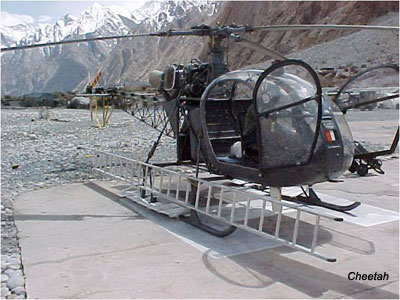 While the inquiry reports of such grave and fatal accidents are generally not made public, all indicators point to the unmistakable conclusion of material/component failure, as has been the case in number of Cheetah accidents in the last one decade. In fact, the accident at Bareilly had triggered a protest by some of the young wives of aviators of army aviation, going to the extent of petitioning the defence minister to stop the flying of these unsafe and unreliable machines, this aspect was also reported extensively in the India Today magazine of November 2014.
The recent fatal accident at Sukna has resulted in the entire fleet of Cheetah/Chetak helicopters being grounded for extensive checks to be carried out on the blades and gear box of all the helicopters in this class - a painstaking and time-consuming procedure, for each helicopter needs to be checked out thoroughly and independently before being cleared for flying. The greater damage done though has been the total loss of confidence in the safety and reliability of the machine itself, for which Hindustan Aeronautical Limited (HAL) has to take a major share of the blame.







 VIDEO
VIDEO