“Without the consent of the state, no riot in India can last for more than 24 hours,” retired IPS officer Vibhuti Rai famously remarked in an interview with Teesta Setalvad for her magazine Communalism Combat. It has been three months since the ethnic violence between the majority Meitei community and the minority Kuki tribes began in Manipur, yet there are no signs of it abating.
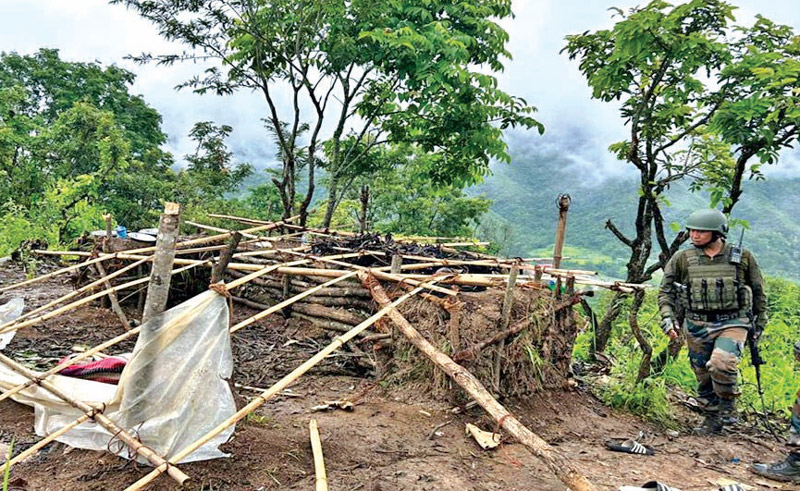
The violent clashes have resulted in a devastating death toll, with at least 145 confirmed fatalities, according to conservative estimates by the authorities. Even with the presence of the army, the clashes persist, leaving isolated villages engulfed in gunfire. Cities have been transformed into ghost towns, their buildings and churches burnt and destroyed, and their tin roofs melted and twisted by the intense heat. Desolate streets are now lined with these haunting remnants.
The eviction of Kuki villagers from reserve forest land earlier this year set the stage for protests and agitations, exacerbating existing grievances. These tensions reached a boiling point when a tribal solidarity march to protest against the Meitei community's demand for Scheduled Tribe (ST) status, escalated into violence, resulting in the loss of at least 54 lives. The Kukis have their own demand for a separate administration.
After nearly almost three months, and with mounting pressure fuelled by a viral video depicting three Kuki women stripped naked and paraded by a large mob of Meitei men, the Prime Minister finally broke his months-long silence on the ongoing violence in Manipur. The disturbing incident drew widespread attention and brought urgency to the need for addressing the crisis in the northeastern state. His response is a stark reminder of New Delhi’s ignorance of the northeastern states.
“They don’t take us seriously enough because we do not pose much threat to the political equation in Delhi,” says Thangminlen Kipgen, the spokesperson of the Kuki Inpi Manipur, which describes itself as the apex body of the Kuki tribes.
Opposition parties and civil rights groups have called for President’s rule in Manipur amidst the continuing violence. The opposition called for a debate on Manipur, which was accepted by the government, but the government claims that the opposition is creating too much ruckus in parliament for the debate to go through.
Netta D'souza, the president of All-India Mahila Congress Committee, who was on a three-day visit to Manipur, said “it is the lack of political will on the part of the BJP to have a debate on Manipur, do they not realise that they have a government in Manipur? Do they not realise the carnage and arson that is going on in Manipur, what have they done to ensure peace in Manipur? Nothing.”
“I think after going to Manipur, I am a different person, the plight of the people living in refugee camps has terrified me” she added.
The opposition later called for a no-confidence motion in parliament to highlight and question the Modi government in handling the Manipur crisis, which was accepted by the speaker.
International Condemnation
In response to the Manipur violence, the United Nations High Commissioner for Human Rights, Volker Türk, called on the Indian government to swiftly address the situation, which includes conducting a thorough investigation and addressing the root causes of the violence following their international human rights obligations.








 VIDEO
VIDEO