Lt
Gen HJS Sachdev (retd)

In the
classical understanding of warfare, victory was relatively straightforward.
Armies clashed, territories were seized, and treaties formalised new realities.
Thinkers like Carl von Clausewitz
defined war as “an act of force to compel our enemy to do our will,” while Sun Tzu argued that the highest form
of victory lay in achieving objectives without fighting at all. Historically,
the idea was simple: the side that imposed its will on the opponent, militarily
or politically, claimed victory.
However, the 21st century has reshaped this notion. The advent of multi-domain warfare, digital information ecosystems, and AI-driven propaganda has transformed
conflicts into contests fought as much in the minds of populations as on the
battlefield. Today, wars are waged in two simultaneous arenas—the physical battlespace, where control of
territory, resources, and governance is contested, and the cognitive battlespace, where competing
narratives seek to define legitimacy and shape global perceptions. Social
media, satellite broadcasting, and real-time information flows have introduced
a “war of narratives”, where
winning global opinion often seems as critical as battlefield outcomes.
Yet, despite these shifts, one enduring truth remains: narratives alone do not decide wars.
While perceptions can influence external support, domestic morale, and
diplomatic manoeuvering, they rarely settle conflicts. The ultimate test of
victory continues to lie in securing a sustainable
end-state, one where political objectives are achieved, security
frameworks are durable, and realities on the ground align with strategic goals.
Liddle Hart believed ‘The object of war is a better state of peace’. Failure to
consolidate peace often lead to heightened tensions and renewed wars.
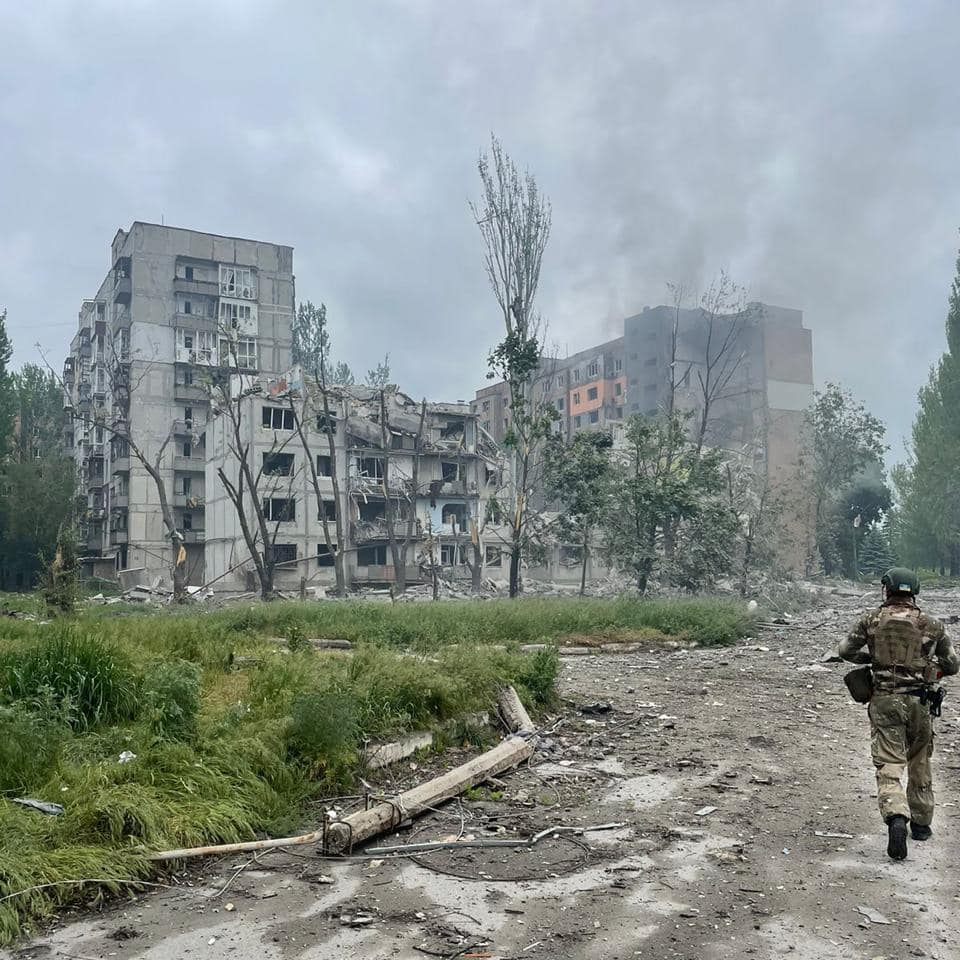
To illustrate this dynamic, we examine four ongoing and recent
conflicts—Ukraine, Gaza, Afghanistan, and the India–Pakistan
confrontation of May 2025—to understand the interplay between narrative
dominance and material outcomes.
Narratives
as Tools or Determinants of Outcomes
Narrative
warfare has always existed, but in the information age, its speed and reach
have been radically amplified. Governments, insurgents, and even ordinary
citizens now compete in real time to frame events for audiences that span
continents. Viral images, strategic leaks, and AI-generated disinformation
campaigns can influence not only domestic populations but also shape diplomatic
alignments and external interventions.








 VIDEO
VIDEO