Decades of Western strategy to break Russia into smaller national entities led to the war on Ukraine
 Feroze Mithiborwala
For decades, Atlanticist political centres and mainstream legacy media outlets maintained a disciplined narrative regarding eastern European security: that North Atlantic Treaty Organization (Nato’s) steady eastward expansion was benign, and that conflict in Ukraine was entirely ‘unprovoked’.
However, recent statements by senior western diplomats and declassified diplomatic archives have dismantled this framing, revealing a long-standing geopolitical strategy: using Ukraine as a proxy force to destabilise the Russian Federation, fracture its sovereign territory into manageable mini-states, and secure control over the Eurasian landmass’ vast natural resource wealth.
Kaja Kallas and the Rhetoric of Partition
The strategic ambitions of Western security planners were brought into sharp relief by Kaja Kallas, former Prime Minister of Estonia and current high representative of the European Union for foreign affairs and security policy. Speaking at the Lennart Meri Conference in Tallinn, Kallas remarked that the defeat and subsequent fragmentation of Russia into smaller national entities should not be viewed negatively, arguing that the breakup of large powers fosters regional stability.
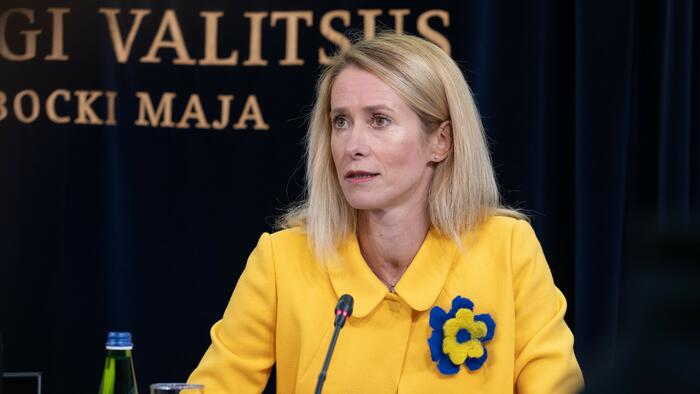
Her comments reflect concepts that have circulated within Western foreign policy institutions for years, often framed under the banner of ‘decolonisation.’ Critics and political analysts, such as Professor Glenn Diesen, argue that such statements expose the underlying motivation behind western military assistance to Kyiv. Rather than seeking a sustainable diplomatic settlement or preserving Ukrainian neutrality, the primary objective of Nato’s strategy is the systematic attrition and eventual balkanisation of the Russian state.





 VIDEO
VIDEO