An extract from an essay written by former foreign secretary Jagat Mehta in 1966 upon leaving China after his three-year tenure as charge d’affaires
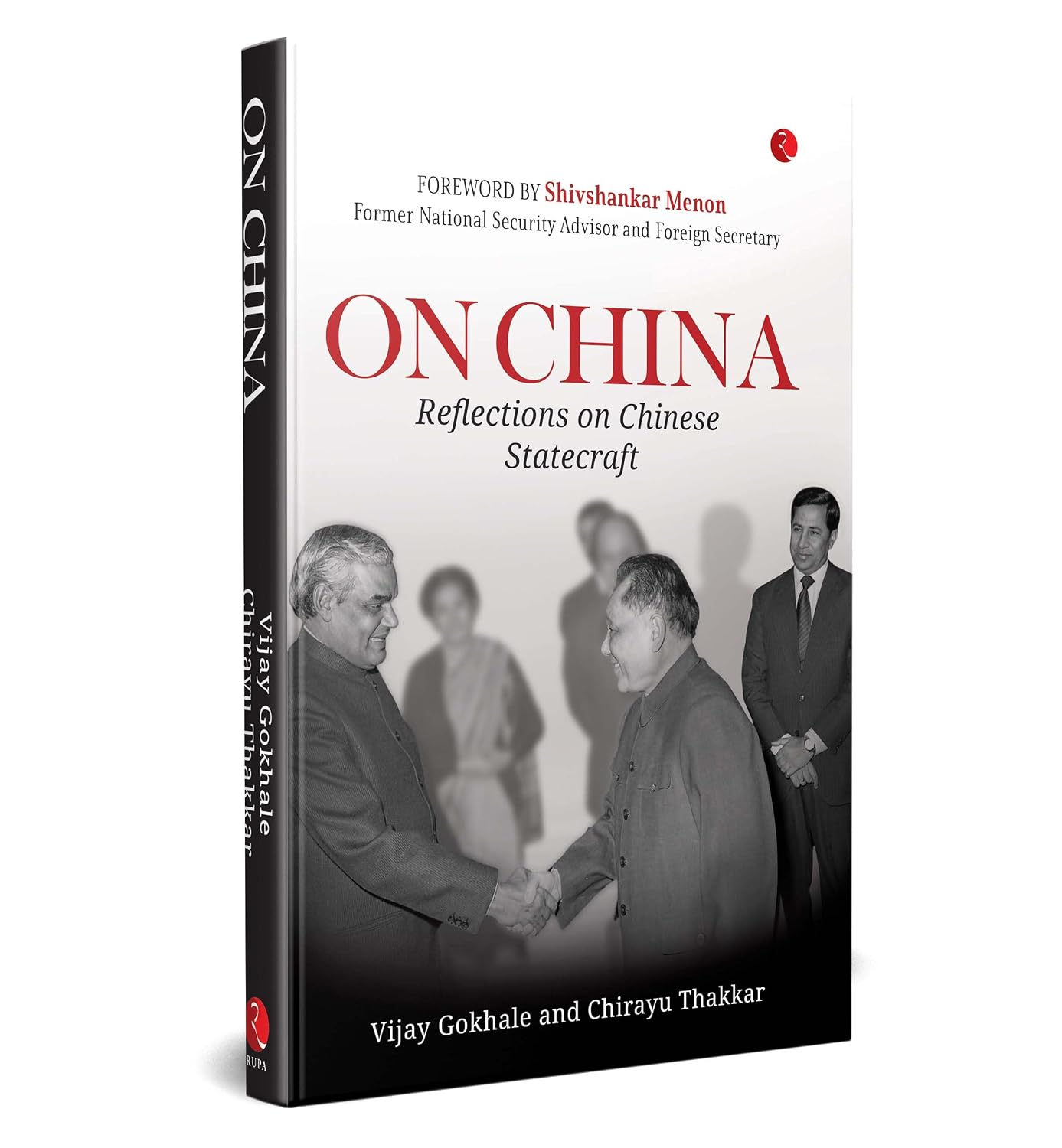 Vijay Gokhale and Chirayu Thakkar
When I arrived here, the Chinese had, in my view, not decided whether, in the pursuit of their global policies, it would be better to compromise with India or to persist in their intransigence. Immediately after their attack in 1962, while refusing to accept those articles of the Colombo Proposals which, by implication at least, proved them aggressors—joint administration of the 20-kilometre belt in Ladakh after Chinese withdrawal—after the initial exchange of abuse, they had maintained a nonchalant and benevolent pose of silent confidence that, in due course, the Indians would come to their sense and more or less settle on the Chinese terms. During my initial conversations on arrival here, they were still probing whether India would agree to unconditional negotiations. This, however, changed dramatically, in my view, in April 1964. During their long Odyssey in Africa, the Chinese had already discovered the attack on India proved no obstruction in cultivating relationship with the independent countries of that continent and so the problem could easily remain compartmentalized. But the self-righteous silence was blandly discarded after India proposed that the Soviet Union should be invited to participate in the Second Afro-Asian Conference. In terms of Sino-Indian relations, this proposal, to my mind, is of nodal significance and of lasting importance in revitalizing our diplomacy, stymying at least for a while China’s grand strategy and prizing open even for the most charitable apologists to see the true nature of China’s hostility towards India. As far as the Chinese are concerned, they realized that India, instead of licking her wounds, was being instrumental in bringing Soviet Union into the realm of the developing continents, which she envisaged as her exclusive sphere of influence—as the First Intermediate Zone, or the countryside of the world which must encircle the cities. Every statement made subsequent to 1964 has been viciously critical of the ‘Indian reactionaries.’ I would invite reference to the statements of May 19, 1964, August 1964 and 9th [of] October 1964. Confirmation of the thesis that Sino-Indian relations was not a bilateral problem came to me last week when, on my farewell call, the Director of the First Asian Department openly hinted against India allowing herself to be dragged by imperialists and modern revisionists in order to serve their ‘plan’ to encircle China.


 VIDEO