Sri Lanka used non-alignment as living doctrine in an age of war
Pramudith D Rupasinghe
In the early hours of 4 March 2026, a US Navy submarine launched a Mark 48 torpedo at the IRIS Dena, an Iranian Moudge-class frigate operating approximately 20 nautical miles west of Galle, in Sri Lanka’s maritime search and rescue zone. The Dena, along with two companion vessels—the auxiliary ship IRIS Bushehr and a third ship of undisclosed identity—had been returning home after participating in India’s Milan 2026 multilateral naval exercises, which drew delegations from 74 countries. The strike killed at least 84 Iranian sailors. The Sri Lanka Navy responded to the distress call, rescued 32 survivors, and recovered the bodies from the water before Indian naval assets could arrive.
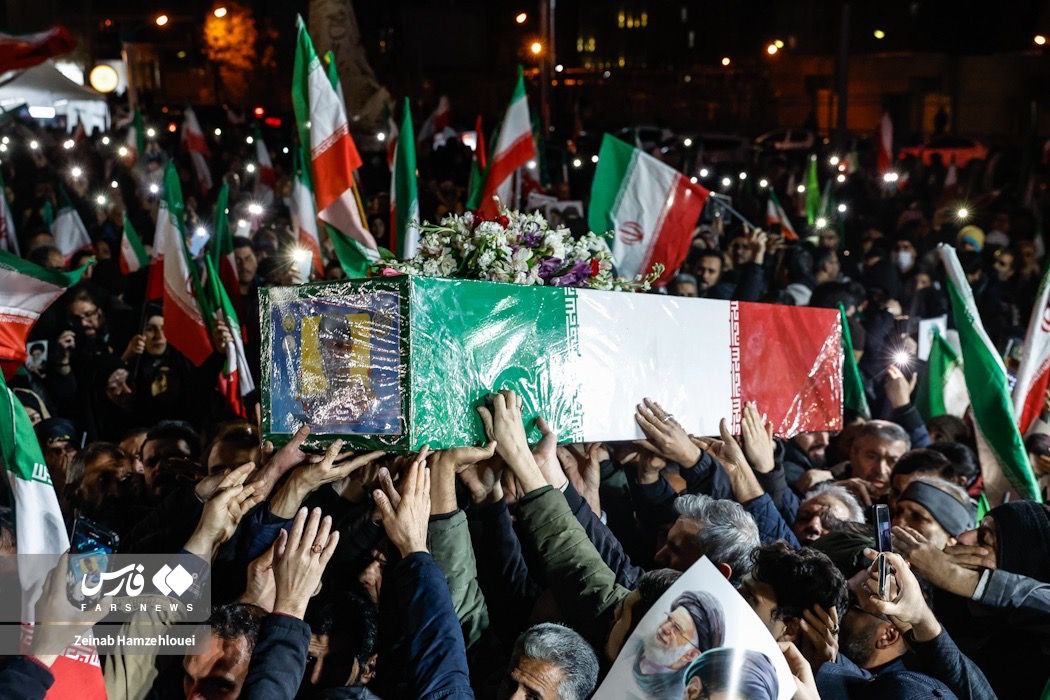
PUBLIC SENTIMENT People in Tehran held funerals for the martyred sailors of the IRIS Dena,
who were assassinated in US-Israeli strikes
The following day, the IRIS Bushehr—a replenishment vessel carrying 208 crew members—requested permission to enter Sri Lankan waters, citing an engine malfunction. President Anura Kumara Dissanayake authorised its entry after direct consultations with Iranian officials and the ship’s captain. The crew was transferred to Welisara Naval Base near Colombo for medical checks. The vessel was subsequently moved to the northeast port of Trincomalee. Sri Lanka invoked the Hague Convention of 1907 on neutrality in naval war, under which a neutral state is obliged to intern combatants of a belligerent party until hostilities cease.
The Legal Architecture Underlying Sri Lanka’s Decision: Sri Lanka’s conduct was not improvised diplomacy. It rested on a coherent stack of international legal instruments. The United Nations Convention on the Law of the Sea (UNCLOS), to which Sri Lanka is a party, establishes a duty to render assistance to persons in distress at sea regardless of their nationality or the political circumstances of their state. The International Convention on Maritime Search and Rescue (SAR Convention) reinforces this, obliging coastal states with declared SAR regions to coordinate rescue operations within them—the Dena sank squarely within Colombo’s SAR region.








 VIDEO
VIDEO