While India is stuck in the tactical narrative, Pakistan has made strategic gains
 Pravin Sawhney
On the first anniversary of Operation Sindoor, let us assess how India and Pakistan fared. If one is honest, it could, unhesitatingly, be said that Pakistan fared far better than India. Interestingly, in the four-day clash, which neither side wanted to escalate, the impact went far beyond the battlefield to global geopolitics.
The biggest loss, for India, perhaps was of its image of having superior conventional war-fighting capabilities, held since the 1971 war, getting shattered. The reason for this was straightforward: having started the operation, India, within 30 minutes, sought ceasefire with Pakistan. The latter, in no mood to oblige India, responded with first downing Indian fighters which it called defensive action. Thereafter, it launched its own offensive, which got India’s National Security Advisor, Ajit Doval to call his US counterpart Marco Rubio to give the battlefield report. Much like in the 2001-2002 Operation Parakram started by the Vajpayee government against Gen. Musharraf’s Pakistan, the US brought the ceasefire between the two sides. The only difference this time was that India, determined to preserve Prime Minister Modi’s image of a strong leader, refused to acknowledge President Trump’s key role in ending the war.
Moreover, India sought to completely ignore the air battle on the first night of May 6-7 in its narrative for domestic consumption. In the age of battlefield transparency and invasive globalised media, losses of Indian Air Force (IAF) could not be kept under wraps. This did not help India’s image abroad as a democracy with media freedom.
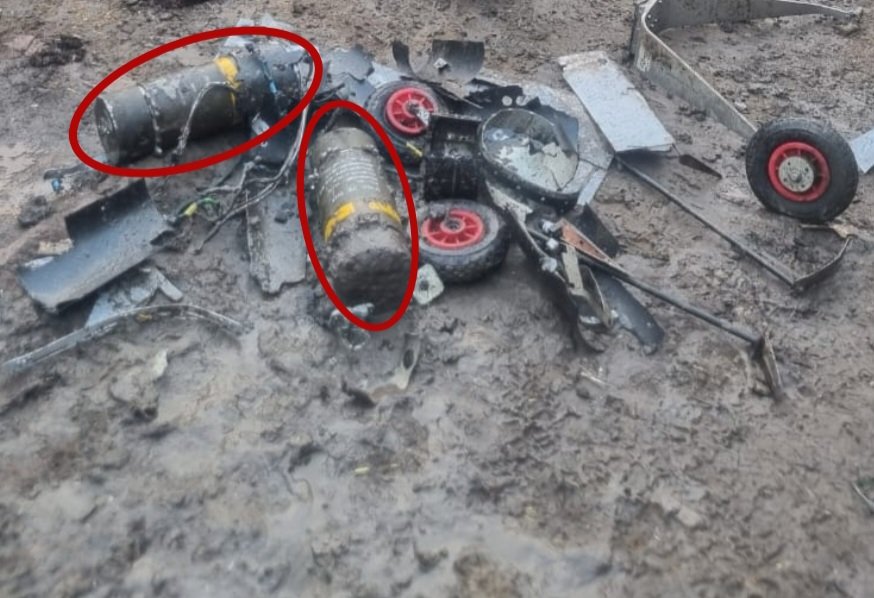
CLOCKWISE FROM TOP Pakistani drones were instantly engaged and destroyed by our air defence units; PHOTO-2; PM visit to Adampur IAF Base; AIR JE CRASHES IN
PULWAMA - 7 MAY 2025 - 4; ACM AP Singh LM Katre Talk
CLOCKWISE FROM TOP Pakistani drones were instantly engaged and destroyed by our air defence units; PHOTO-2; PM visit to Adampur IAF Base; AIR JE CRASHES IN
PULWAMA - 7 MAY 2025 - 4; ACM AP Singh LM Katre Talk
Regarding the operation itself, two things went terribly wrong for India. One, a careful assessment of the 2019 Balakot air attacks done by the IAF would have informed policy makers that (a) Pakistan had the will to fight and it would not allow an air attack to go unanswered, and (b) unlike Balakot where Pakistan was caught by surprise since this was the first instance of use of airpower after the 1971 war, Pakistan and its air force would be ready for such an eventuality.





 VIDEO
VIDEO