Mujibur Rehman
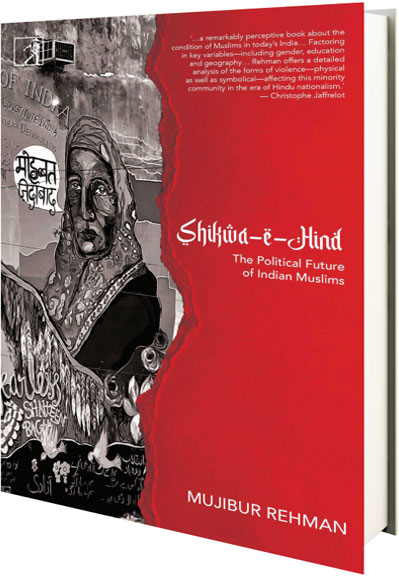
The frequency, nature, and character of riots have gone through radical changes under the Hindu Right regimes. There are cycles of violence taking place in most parts of the country. Often, victims are presented as perpetrators. The most glaring example of this has been the Delhi riots in which a vast number of Muslims were presented as perpetrators though generally they were the main victims of violence according to a report prepared by the Delhi Commission for Minorities (DCM), which was under the Arvind Kejriwal-led AAP government. The AAP government barely even endorsed the report. Silence on the riot is a smarter political strategy to deal with the BJP or the Hindu Right, as many sympathizers of the AAP conveyed to this author.
The other noteworthy aspect of the Hindu Right regime that has implications for Muslims is the significant departure in governance with the introduction of what is known as the bulldozer model (also, bulldozer justice). In this approach, as part of the punishment, a bulldozer is used to demolish the house of the person concerned without following any procedure of law or establishing that the alleged violator is indeed on the wrong side of the law. While there are instances of it being used against non-Muslim citizens, it has been predominantly reserved for Muslim citizens who are alleged to have violated some law. Uttar Pradesh is considered the pioneer of this form of justice but it has become an inspiration among various Hindu Right regimes in other states such as Assam, Madhya Pradesh, and Haryana, too. Though some of the courts have been deeply critical of this approach, it has fallen on deaf ears, demonstrating another evidence of a failure of what I have described as the ‘separation of powers’ model of liberal democracy in the Indian case.








 VIDEO
VIDEO